???? Coronavirus (COVID-19)

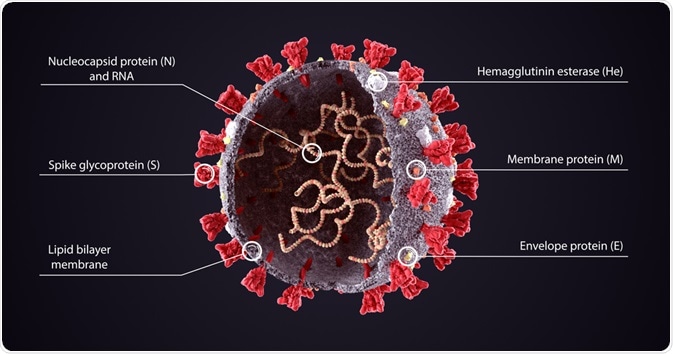
Coronavirus refers to a family of viruses that can cause illnesses ranging from the common cold to more severe diseases. The most well-known recent outbreak was caused by a new coronavirus called SARS-CoV-2, which led to the global pandemic known as COVID-19.
???? What is COVID-19?
COVID-19 is an infectious disease caused by the SARS-CoV-2 virus. It was first identified in December 2019 in Wuhan, and it quickly spread around the world. In March 2020, the World Health Organization officially declared it a pandemic.
???? Common Symptoms
People infected with COVID-19 may experience:
- Fever
- Dry cough
- Tiredness
- Sore throat
- Loss of taste or smell
- Difficulty breathing (in severe cases)
Symptoms can appear 2–14 days after exposure to the virus.
???? How It Spreads
COVID-19 mainly spreads through:
- Respiratory droplets when an infected person coughs, sneezes, or talks
- Close contact with infected individuals
- Touching contaminated surfaces and then touching the face
????️ Prevention Methods
To protect yourself and others:
- Wash hands regularly with soap and water
- Use hand sanitizer
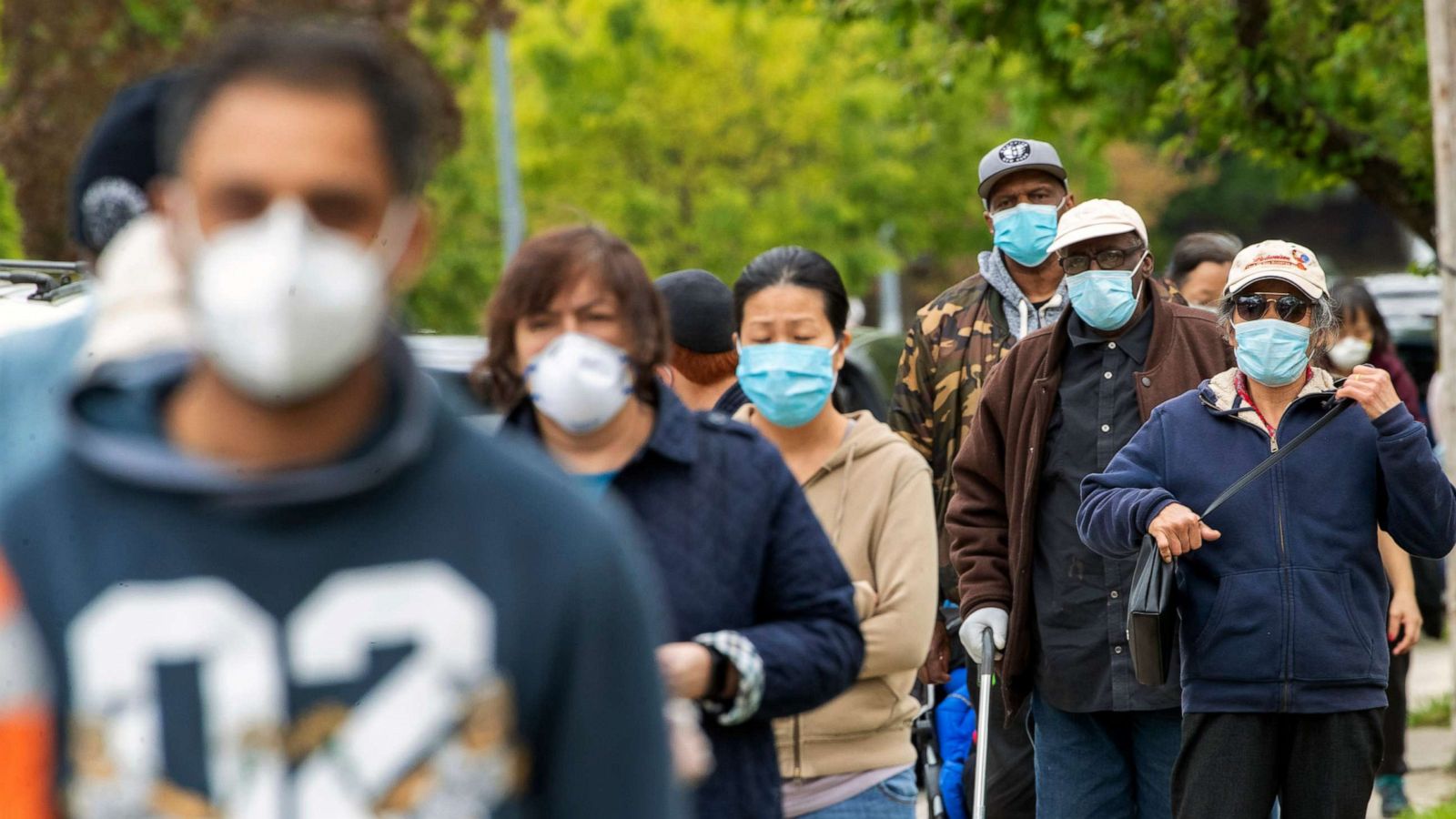
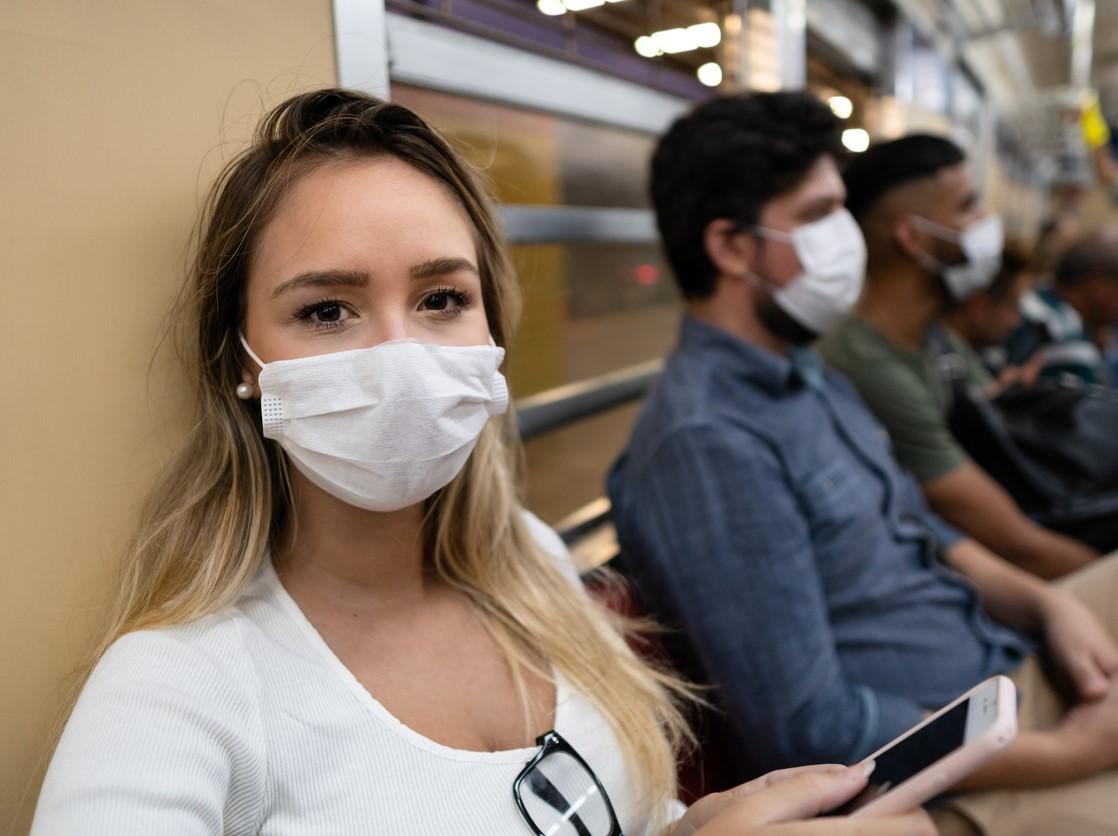
- Wear a mask in crowded places
- Maintain physical distance
- Get vaccinated
Vaccines have been developed by different companies and have proven effective in reducing severe illness and death.
???? Impact of Vaccination
COVID-19 vaccines help the immune system recognize and fight the virus. Vaccination significantly reduces the risk of hospitalization and complications.
???? Global Impact
The pandemic affected millions of people worldwide. It disrupted:
- Healthcare systems
- Education
- Travel and tourism
- Global economy
Countries implemented lockdowns, travel restrictions, and vaccination campaigns to control the spread.
???? Conclusion
Coronavirus (COVID-19) is a highly contagious viral disease that changed the world in many ways. Thanks to scientific research, vaccines, and public health measures, many countries have managed to control its spread. However, awareness, hygiene, and vaccination remain important to prevent future outbreaks.